*Taps mic: is this thing on?
Alright, let’s go.
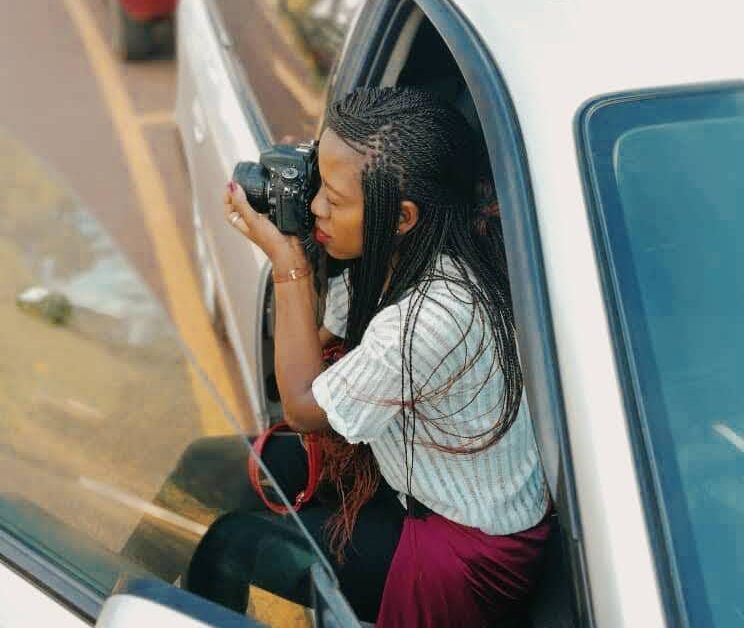
I have been at the forefront of documentary storytelling for more than a decade now. Having cut my teeth at it back in 2016 with Malaika Media, I would like to tell you about my experience in this industry, and how documentary storytelling can tell Uganda’s story.
First and foremost, documentary storytelling has taught me that Uganda is much bigger than the stories we see in the news. Take it from someone who actually worked in the newsroom for four years.
For over a decade now, I have had the opportunity to work on stories in different parts of the country, meeting people from different communities and listening to experiences that I may never have encountered otherwise.
I do own the bragging rights when I say I have been to all the regions of Uganda, and worked in a little over 50 districts. I kid you not.
On these assignments, I have worked as a documentary producer, writer, voice-over artist, video editor and subtitler– and sometimes, several of these roles on the same project.
Every time I sit down for an interview, I am reminded that there is always more to a story than what appears on the surface. To look deeply at the participants of the documentary and their surroundings.
You see, in Communications, we talk a lot about numbers; how many people were reached, how many households benefited, how many young people were trained, how many communities were supported, and the list goes on.
But we can’t just casually throw around numbers like those aren’t people we are referring to. And that is what documentary storytelling helps us with, it gives these experiences a face and a voice.
That is a farmer trying to make a living from a difficult season. Maria, is a young person looking for an opportunity, after endless job applications and rejections. The Wamala family are doing their best trying to adapt to change.
I have worked in refugee-hosting communities such as Bidi Bidi, Imvepi and Nakivale. On paper, these places can easily become statistics: numbers of refugees, numbers of households, numbers of people receiving support.
But sitting down with someone and listening to how they rebuilt their life after displacement, or how a host community has adapted to having thousands of new neighbors, has a way of making one evaluate those numbers differently.
Documentary production has also taught me to listen differently. I sometimes listen with my eyes.
Let me explain. During moments when the videographer is still getting his angles right and the sound recordist checking for sound, I am left to quietly face the day’s hero.
Sometimes, I watch them fumble, or mutter something under their breath, or stretch out before giving a huge sigh in which case my eyes listen first and then I ask, “what is on your mind today? Or, “what do your kids enjoy most about school?”
Sometimes I am lucky to get an answer, while other times, well, a simple gaze drives the message home.
Such moments can completely change the way you understand a story, and check you for the next time you want to label someone. A refugee is much more than displacement. Listen keenly, and actively to their story, their person, and their surroundings.
And remember not to fill in the gaps, it is not your story to tell but now that you have a chance to tell it, tell it honestly, respectfully and with dignity.
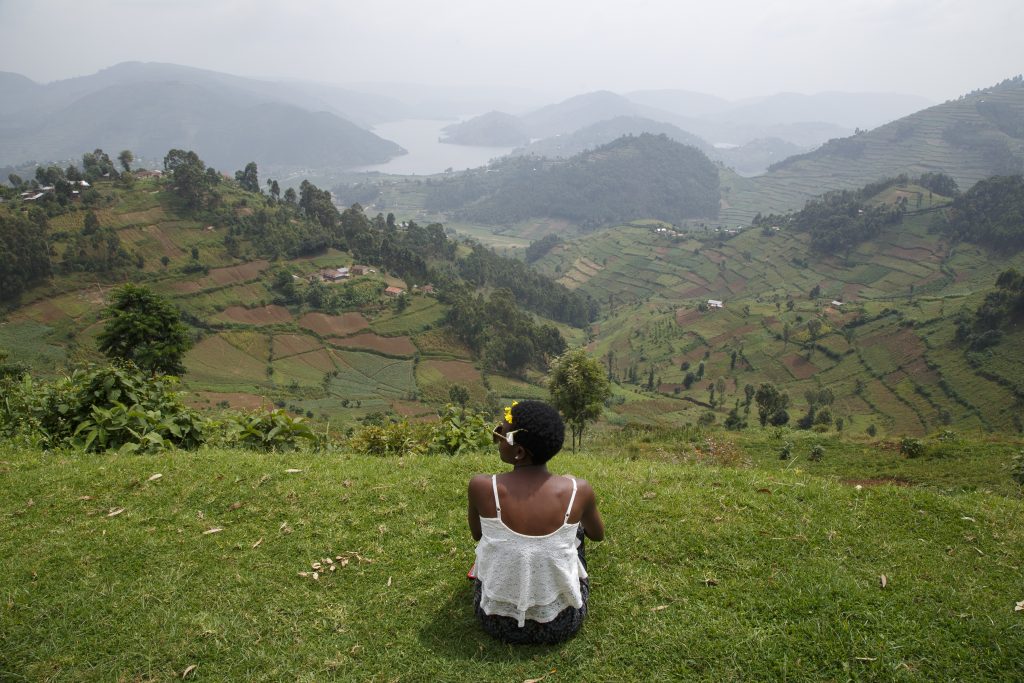
And the same goes for my homeland, Uganda. Uganda is more than whatever one story you have heard or watched.
Uganda is made up of thousands of stories happening at the same time- some loud, some quiet, some making headlines and others unfolding in places most of us may never see.
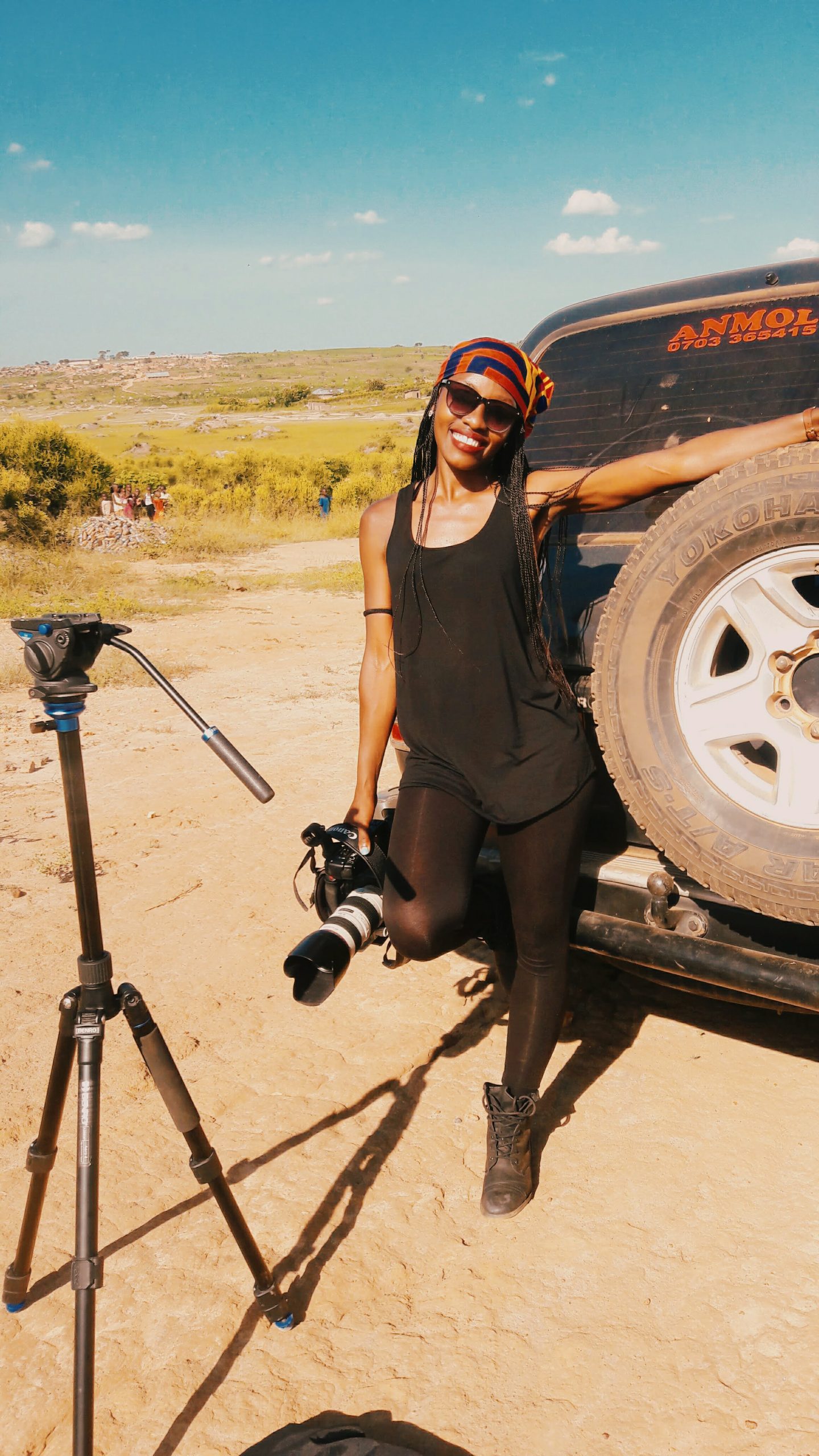
Blessing on assignment in Nakivale refugee settlement, 2017
Client: Rotary International cc Malaika Media Ltd.